Have you ever walked into a meeting and noticed everyone wearing the exact same "meh" t-shirt from three years ago? Or worse, have you ever received a "gift" from a company that went straight into the back of your junk drawer (or, let’s be honest, the trash)?
We’ve all been there. But here’s the thing: in 2026, branded merchandise has evolved. It’s no longer just about "putting a logo on stuff" to check a box. It’s about workforce identity. It’s about creating a physical manifestation of your company culture that people actually want to wear on a Saturday morning.
If you’re new to the world of custom gear, don’t sweat it. Think of this as your friendly crash course. We’re going to peel back the curtain on how to build a merchandise program that sticks.
It’s More Than Just a Logo (Really!)
When we talk about branded merchandise, most people think of a sea of plastic pens. But for a growing business, it’s actually a strategic tool. Your brand isn't just what you tell customers; it’s how your employees feel when they log on or walk through the door.
When an employee puts on a high-quality branded apparel piece, they aren't just a walking billboard. They’re part of a team. It’s a signal of belonging. And wouldn’t you love to be a fly on the wall when a new hire unboxes a kit that actually fits their style? That’s the moment workforce identity is born.

The Shift: From "Disposable" to "Retail-Quality"
The biggest mistake beginners make is prioritizing quantity over quality. In the old days, you’d order 500 cheap shirts because they were $4 each. Today? Those shirts stay in the box.
The trend in 2026 is Retail-Quality. We’re talking about fabrics and fits that rival the brands you find in high-end malls. People want soft-touch cotton, moisture-wicking tech, and modern silhouettes. If your company swag doesn't feel as good as their favorite Lululemon or Patagonia jacket, they probably won't wear it.
At API Corporate, we’ve spent 50 years obsessing over these details. We know that a shirt people love to wear is the best marketing investment you’ll ever make.
The "Cool Kids" Glossary: Terms You Need to Know
Before you place your first order, you’ll hear some jargon. Let’s demystify it so you can talk like a pro:
- GSM (Grams per Square Meter): This measures the weight of the fabric. High GSM usually means a thicker, "heavyweight" feel (great for premium streetwear hoodies), while lower GSM is lighter and more breathable.
- Blanks: These are the unbranded garments (the "canvas") before we add your magic. Choosing a high-quality blank is half the battle!
- Embroidery: The classic. Using needles and thread to stitch your logo. It’s durable and perfect for custom uniforms or professional polos.
- Screen Printing: Our bread and butter since the 70s. It involves pushing ink through a mesh screen. It’s vibrant, cost-effective for large runs, and has that authentic "heritage" feel.
- Puff Ink: A screen printing technique where the ink literally "puffs" up, creating a 3D texture. It’s incredibly trendy right now for a tactile, premium look.
- DTF (Direct to Film): A newer tech that allows for high-detail, full-color designs that are super durable. Perfect for complex logos with lots of gradients.
The Toolkit: Different Types of Merch
You’ve got options, lots of them. But don't try to do everything at once! Start with the essentials:
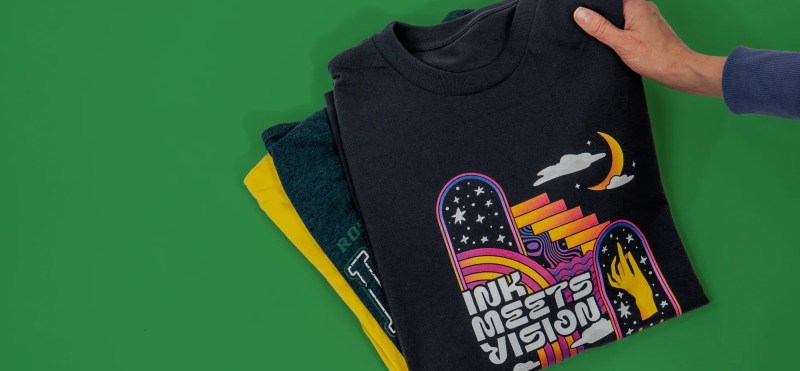
- Custom Apparel: The heavy hitter. Hoodies, tees, and jackets. (Pro tip: Subtle logos, like a small tonal embroidery on the sleeve, often get more wear-time than giant logos on the chest.)
- Promotional Products: Think "lifestyle." Premium drinkware (like tumblers that actually keep coffee hot), high-end notebooks, or tech accessories.
- Custom Uniforms: Essential for field teams or retail staff. These need to be durable, comfortable, and consistent.
- New Hire Kits: A curated box that welcomes someone to the family. It’s the ultimate "first impression" for your workforce identity.

Strategy Over Spontaneity: Building a Cohesive Program
Ordering 50 random hats because you have a "leftover budget" is a recipe for clutter. Instead, think like a designer.
Start by asking: What is the goal? Are you trying to boost morale for a remote team? Are you launching a new product? Once you have the "why," you can build a cohesive look. Use a consistent color palette and a mix of design packages that complement each other.
Many of our clients love our company stores solution. It allows employees to pick their own sizes and styles, ensuring they get something they’ll actually use. Plus, it saves you the headache of managing a closet full of "Small" shirts when everyone needs "Large."
Common Pitfalls (And How to Dodge Them)
- Ignoring the Fit: Not all "Mediums" are created equal. Always ask for a size chart or a sample!
- The "Billboard" Effect: Making your logo so big it scares people away. Trust us, less is often more.
- Waiting Until the Last Minute: Quality takes time. While we offer rush orders for those "oh no" moments, planning ahead gives you more options for customization.
- Forgetting the Logistics: Who is shipping these? Where are they stored? (Wait, did you know we handle warehousing and logistics too? Yep, we've got you.)

Why Partnership Matters
You could go to a giant, faceless online website, but you won't get the same soul. API Corporate is a family-owned business with over five decades of ink under our fingernails. We don’t just print; we consult. We help you choose the right GSM, the best decoration method, and the perfect fulfillment strategy.
Whether you’re a small startup looking for your first set of tees or a giant corporation needing 10,000 custom uniforms, we treat every project with the same level of obsession.
Ready to start building your workforce identity?
Don't let it be overwhelming. Grab a coffee, book an appointment with our team, or just request a quote to get the ball rolling. Let’s make something your team will actually be proud to wear.

