What does your team wear when customers form their first impression? Does the apparel feel like a thoughtful extension of your brand: or does it look like a generic polo with a logo added at the last minute?
The difference is more significant than many corporate buyers realize. Fully custom corporate apparel isn’t simply a matter of choosing a shirt and decorating it. It’s a coordinated program built around your brand, your budget, and: most importantly: the people who will wear it every day.
At API Corporate, we help businesses build branded apparel programs from the garment selection through decoration, sourcing, warehousing, company stores, and uniform fulfillment. With more than 50 years of experience, we serve as the expert partner who filters the options and recommends what will work in the real world.
Fully Custom Means More Than Adding a Logo
A logo is only one part of the finished garment. A successful apparel program also considers:
- Garment silhouette and fit
- Fabric type, weight, stretch, and hand feel
- Moisture management and performance features
- Brand colors and coordinating layers
- Logo scale and decoration placement
- Department-specific requirements
- Seasonal apparel and outerwear
- Employee comfort and size availability
- Reordering, inventory, shipping, and fulfillment
That means the “right” garment for a hotel concierge may be completely wrong for a maintenance technician. The best corporate uniforms create visual consistency without ignoring the practical needs of each role.
This is where API adds value. We don’t simply present a massive catalog and ask you to pick something. Through our supplier and strategic partner network: including Spacecraft Custom, Edwards, XOS, 101, T Tycoon, Blue Generation, and other apparel and uniform resources: we expand the possibilities while helping you narrow them down.
These resources can support professional apparel, hospitality uniforms, workwear, headwear, outerwear, and more. We evaluate the available options around your brand identity, intended use, budget, timeline, and end users.
Start With the End User
The people wearing your apparel will determine whether the program succeeds. If garments are uncomfortable, impractical, difficult to maintain, or poorly fitted, employees may avoid wearing them: even when the branding looks excellent.
A useful standard is the Sunday Morning Test: would someone choose to wear this piece on a relaxed Sunday morning? That doesn’t mean every uniform needs to look casual. It means the garment should feel comfortable, fit well, and look polished enough that employees don’t immediately want to change out of it.
Consider the following questions before approving a style:
- How many hours will employees wear it?
- Will they work indoors, outdoors, or in changing conditions?
- Do they need stretch, pockets, moisture management, or abrasion resistance?
- Will the garment be washed frequently?
- Does the fit accommodate the actual workforce?
- Can employees layer it across different seasons?
- Does the decoration remain comfortable and durable?
These questions turn custom apparel into a practical workforce solution: not just another branded item.
Hospitality Apparel: Polished, Comfortable, and Guest-Ready
Hospitality teams operate in highly visible environments. Guests notice presentation, consistency, and detail, often before they interact with an employee.
Hospitality apparel should balance professionalism with comfort and ease of care. Depending on the role, a program may include:
- Polished polos or button-down shirts
- Blouses and professional tops
- Vests, cardigans, and lightweight jackets
- Chef apparel and service pieces
- Branded aprons
- Coordinated headwear
- Hospitality-specific uniforms for front-of-house and support teams
Color and silhouette matter here. A fitted vest may help a guest-services team look refined, while a breathable polo may make more sense for valet, transportation, or maintenance staff. Branding should remain visible without overwhelming the overall look.
Decoration placement should also match the role. A left-chest embroidery may be ideal for a guest-facing shirt, while a larger back imprint may help identify service staff from a distance. For hospitality brands with a premium image, tonal embroidery, embroidered patches, or subtle sleeve details can create a more elevated appearance.
The goal is simple: professional enough for the guest, comfortable enough for the employee, and durable enough for repeated laundering.
Corporate Office Apparel: Modern Business Casual With Subtle Branding
Office apparel has changed. Many teams no longer wear traditional formal uniforms, but they still need a cohesive, professional appearance for meetings, events, recruiting, client visits, and daily collaboration.
A modern corporate apparel program might include:
- Premium polos
- Quarter-zips
- Vests and jackets
- Crewnecks and lightweight pullovers
- Business-casual button-downs
- Cardigans or coordinated layers
- Branded headwear for casual events
- New-hire kits and company swag
For office teams, subtle branding often works best. A clean embroidered logo on a premium polo, tonal embroidery on a quarter-zip, or a small patch on a vest can communicate brand identity without making the garment feel like a billboard.
This is also where garment color becomes a strategic branding tool. Instead of defaulting to black, navy, or white, API can help coordinate approved brand colors across multiple fabrics and garment categories. The result is a consistent wardrobe employees can mix and match throughout the year.

Field Crews and Service Teams: Performance Comes First
Field crews represent your business in active, highly visible environments. Their apparel may need to withstand physical work, frequent washing, weather exposure, and long days on the job.
Depending on the work, consider:
- Durable work shirts and polos
- Moisture-managing performance fabrics
- Stretch garments for mobility
- High-visibility vests and apparel
- Weather-resistant jackets
- Insulated outerwear
- Branded caps and beanies
- Job-specific pockets, closures, and layers
A field uniform should help people identify your team quickly while supporting the work they actually perform. A delivery driver may need a recognizable polo, cap, identification, and safety vest. A landscaping crew may need moisture management and sun protection. A service technician may need durable fabrics, outerwear, and branding that remains visible beneath a jacket.
Decoration must be selected with the garment in mind. Screen printing can work well for bold, highly visible graphics on suitable fabrics. Embroidery may offer a professional finish on polos, jackets, and caps. Patches or PVC badges can provide a distinctive, durable identity for workwear and headwear.

Choose Decoration as Part of the Design
API’s decoration expertise helps match the technique to the artwork, garment, quantity, and desired finish.
Full-Color Digital Printing and DTF
Full-color digital printing and direct-to-film, or DTF, are useful for detailed artwork, gradients, photographic elements, and short runs. They can be a practical choice when a design contains multiple colors or when you need variety without creating a large production run.
Traditional Screen Printing
Screen printing remains a strong option for bold one- to four-color designs and larger runs. It creates a clean, impactful result and is especially effective when the artwork uses solid shapes and defined colors.
Hybrid Digital and Traditional Printing
Some projects benefit from combining methods. Hybrid printing can help balance detailed artwork with bold spot colors, special finishes, or different garment requirements across one program.
Embroidery and Tonal Embroidery
Embroidery delivers a professional, dimensional look on polos, jackets, hats, and other structured garments. Tonal embroidery uses closely matched thread and garment colors for a quieter, premium treatment.
Patches and Specialty Applications
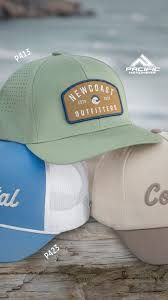
API can coordinate embroidered, printed, leather, and faux leather patches, along with print-and-embroidery combination patches. These applications can add texture, contrast, and a retail-inspired finish.
Additional techniques may include:
- PVC badges
- Raised silicone prints
- Puff prints
- Butter-soft pre-washed screen prints
- Glow-in-the-dark effects
- Specialty finishes available through strategic partnerships
The key is not choosing the most complicated technique. It’s choosing the most appropriate technique. Artwork scale, stitch density, fabric texture, stretch, placement, wash requirements, and intended use all matter.
Build a Program That Can Reorder and Scale
A successful apparel launch is only the beginning. Corporate buyers also need a reliable way to manage repeat orders, employee turnover, new locations, seasonal changes, and top-off quantities.
API supports programs that may include:
- In-house sampling and production
- Short-run and rush-job capacity
- Repeat and top-off orders
- Large or complex projects
- Multi-location programs
- Company stores
- Warehousing and inventory management
- Drop shipping and kitting
- New-hire and remote-work packages
- Promotional products alongside apparel
A company store can give employees or departments access to approved apparel while keeping branding, pricing, and decoration consistent. For larger programs, warehousing and drop shipping can reduce administrative work and help ensure the right items reach the right locations.
You can also combine corporate uniforms with promotional products for events, recruiting, employee recognition, or customer campaigns.
A Practical Decision Framework
Before selecting garments or requesting a quote, work through this short framework:
1. Identify the wearer.
Define the roles, work environments, movement requirements, and expected wear frequency.
2. Define the brand expression.
Decide whether the apparel should feel premium, approachable, technical, rugged, modern, or understated.
3. Curate the garment system.
Select core pieces, seasonal layers, fit options, colors, and department-specific styles.
4. Match the decoration.
Choose screen printing, DTF, embroidery, patches, badges, or specialty techniques based on the artwork and garment.
5. Test before rollout.
Review samples for fit, comfort, logo scale, color accuracy, placement, and wash expectations.
6. Plan the next order.
Establish approved styles, size information, inventory expectations, reorder procedures, and fulfillment requirements.
The API Corporate Difference
Strategic partners expand the available garment colors, silhouettes, materials, and specialty techniques. But more choices don’t automatically create a better program. The expertise lies in knowing which choices to make.
API Corporate manages the recommendation, coordination, production expectations, quality review, and execution. Our in-house capabilities support quick runs and rush needs, while our broader resources help manage large, complex, and multi-location programs.
After more than five decades in the industry, we understand that branded apparel has to do more than look good in a product photo. It needs to work for the people wearing it, support the job, represent the brand, and remain manageable after the initial order.
Ready to build apparel that feels unmistakably yours? Start a custom project with API Corporate or explore our apparel capabilities.
