
Have you ever looked at a perfectly printed hoodie or a crisp, vibrant business card and wondered, "How hard could it be?" In the age of 24-hour delivery and DIY everything, it’s easy to fall into the trap of thinking that high-quality printing is just about hitting a "print" button on a very expensive machine. But let’s be real for a second, have you ever actually tried to print a complex logo on a textured polo shirt yourself? (If you have, you’ve probably got a few "experimental" rags in your garage right now!)
The truth is, modern printing has evolved far beyond just putting ink on paper or fabric. It’s a delicate dance of chemistry, physics, and high-level digital artistry. Today, we’re peeling back the curtain on why professional printing is more of a science than a hobby, and why having a pro in your corner is the only way to ensure your brand doesn’t end up looking like a blurry mess.
The "Choose Your Fighter" of Printing Techniques
Back in the day, your options were pretty much limited. You had screen printing for shirts and offset for paper. Simple, right? Well, fast forward to 2026, and the landscape looks a lot more like a high-tech laboratory. Between Direct to Film (DTF), Screen Printing, Sublimation, and Direct to Garment (DTG), the choices can be overwhelming.
Take Screen Printing, the undisputed heavyweight champion of the printing world. It’s a labor-intensive process involving mesh screens, squeegees, and thick layers of plastisol ink. It’s perfect for large runs and that classic, "I can feel the quality" texture. But what happens when you have a logo with twenty different gradients and tiny, intricate details? That’s where the screens start to struggle.
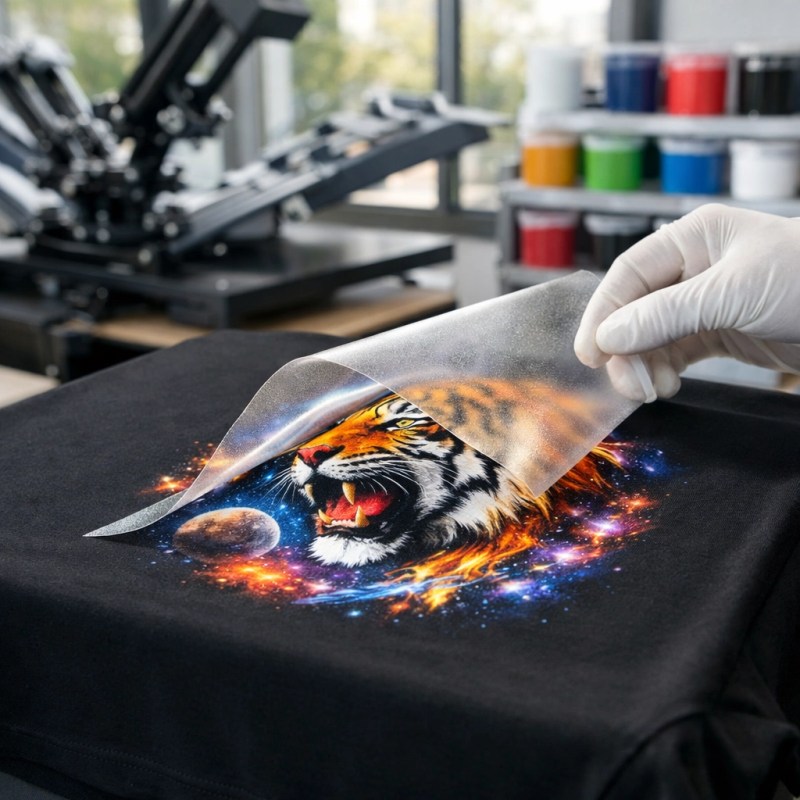
Enter DTF (Direct to Film). This is the new kid on the block that’s taking the industry by storm. Instead of printing directly onto the fabric, the design is printed onto a special film, coated with an adhesive powder, and then heat-pressed onto the garment. The result? Mind-blowing detail and colors that pop in a way screen printing simply can't match for small, complex designs.
But here’s the kicker: knowing which one to use is an art form in itself. Use the wrong method on a performance moisture-wicking fabric, and you’ll end up with a shirt that feels like it has a plastic plate taped to the chest. A pro knows exactly how the ink will react with different fibers, ensuring your team stays comfortable and your logo stays intact.
The DNA of a Great Print: Vectors vs. Rasters
Let’s talk about the silent killer of professional branding: the low-res file. We’ve all been there, you find a logo on your website, right-click, "Save Image As," and send it off to the printer. But when the proof comes back, it looks like it was built out of Minecraft blocks.
This is the eternal struggle between Raster and Vector files.
- Raster images (like JPEGs and PNGs) are made of pixels. They’re great for photos, but the moment you try to blow them up to fit on a banner or a hoodie, those pixels stretch. They get lonely. They lose their sharpness. Suddenly, your sleek corporate logo looks like a blurry smudge.
- Vector images (like AI, EPS, or SVG files) are the Holy Grail of printing. Instead of pixels, they are built using mathematical equations. You could scale a vector logo to the size of a billboard or shrink it down to the size of a postage stamp, and it will remain perfectly crisp.
Why does this matter? Because a professional printer won’t just "hit print" on your fuzzy JPEG. They’ll look at the file, identify the issues, and often help you recreate it in a vector format to ensure the final product is sharp. If you’re feeling a bit lost in the digital woods, checking out some artwork help and ideas can be a total lifesaver.
The Pantone Problem: Why "Blue" Isn't Just Blue
If there’s one thing that keeps brand managers up at night, it’s color accuracy. Imagine spending thousands of dollars on a new marketing campaign, only for your "Sky Blue" logo to arrive looking like "Overripe Plum." (Talk about a mood killer!)
In the world of professional printing, we don't guess. We use the Pantone Matching System (PMS).
Your computer screen uses RGB (Red, Green, Blue) light to show you colors. Your home printer uses CMYK (Cyan, Magenta, Yellow, Black) ink. But professional printing often relies on Pantone, a standardized color reproduction system. Each color has a specific number, and that number is the same whether you’re printing in Michigan or Mumbai.
Achieving Pantone matching requires a level of precision that "off-the-shelf" solutions just can't provide. It involves mixing specific pigments to hit that exact shade your brand guidelines demand. It’s the difference between looking like a "side hustle" and looking like a global leader. Consistency is the foundation of trust, and a pro printer is the guardian of that consistency.
Beyond the Surface: The Importance of Finishing
Printing isn't just about the ink; it’s about the feel. Modern professional printing offers a world of tactile experiences that can't be replicated at home. We’re talking about embossing, debossing, foil stamping, and spot UV finishes.
These techniques add a 3D element to your branding. They invite the customer to touch the product, creating a physical connection with your brand. Think about the last time you received a high-end business card with a raised logo or a matte finish that felt like velvet. You didn't just throw it in the trash, did you? You probably held onto it for a second longer than usual. That’s the power of professional finishing.
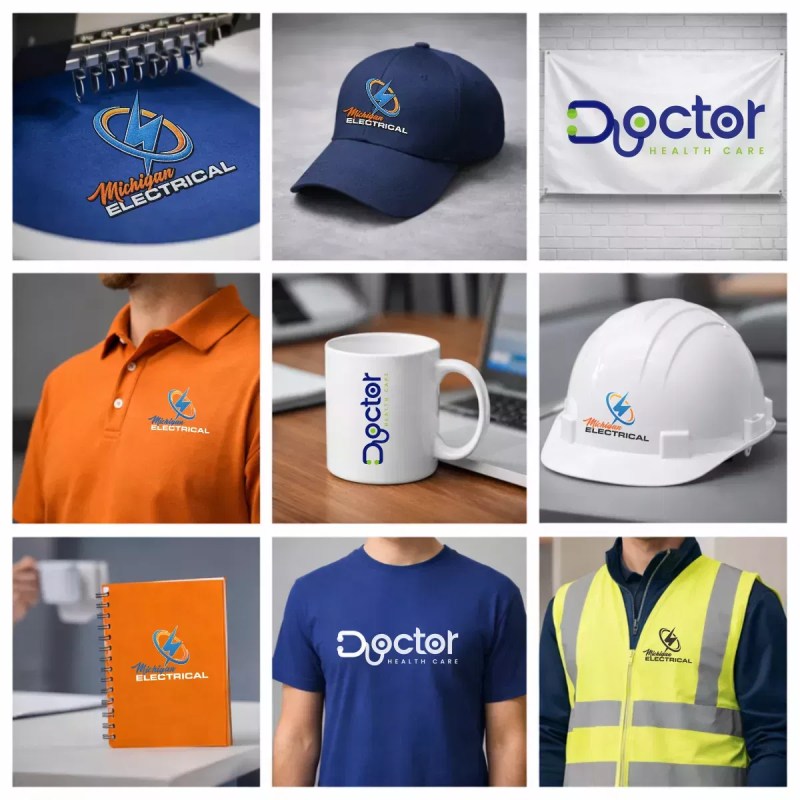
At API Corporate, we’ve seen how these small details can transform a standard piece of apparel into a coveted item. Whether it's for uniforming or promotional ideas, the right finish makes all the difference.
The "D-I-Why?" Factor: Why DIY Usually Costs More
We get it. The allure of the "all-in-one" home printing kit is strong. But here’s the reality: by the time you account for wasted garments, expensive ink cartridges that clog after three uses, and the hours of frustration spent watching YouTube tutorials, you’ve likely spent more than you would have by hiring a pro.
Professional printers offer more than just machines; they offer insurance. When you work with a team like ours, you’re paying for the peace of mind that comes with:
- Garment Expertise: Knowing which fabrics will shrink, melt, or bleed.
- Volume Capacity: Being able to crank out 500 shirts by Friday without breaking a sweat.
- Quality Control: Catching a typo or a misaligned logo before it’s permanent.
Let the Pros Handle the Heavy Lifting
At the end of the day, your branding is the face of your company. It’s what people see before they even talk to you. Do you want that face to be "pretty good," or do you want it to be undeniable?
Modern printing is a wild world of tech, math, and chemistry. It’s fast, it’s vibrant, and when done right, it’s incredibly powerful. But it requires a human touch, someone who knows the difference between a raster and a vector, someone who understands why a specific ink won’t stick to a specific nylon, and someone who treats your brand’s colors like they’re sacred (because they are!).
Whether you’re looking for a full uniform kit for your delivery fleet or some fresh marketing inspiration for your next event, don't leave it to chance.
Ready to see what a professional touch can do for your next project? Explore our services and let’s create something that goes way beyond just ink.

The world of printing is changing every day, but one thing remains the same: quality is never an accident. It’s always the result of high intention, sincere effort, intelligent direction, and skillful execution. (And okay, maybe a little bit of printing magic!)
Stay sharp, stay colorful, and keep printing.

